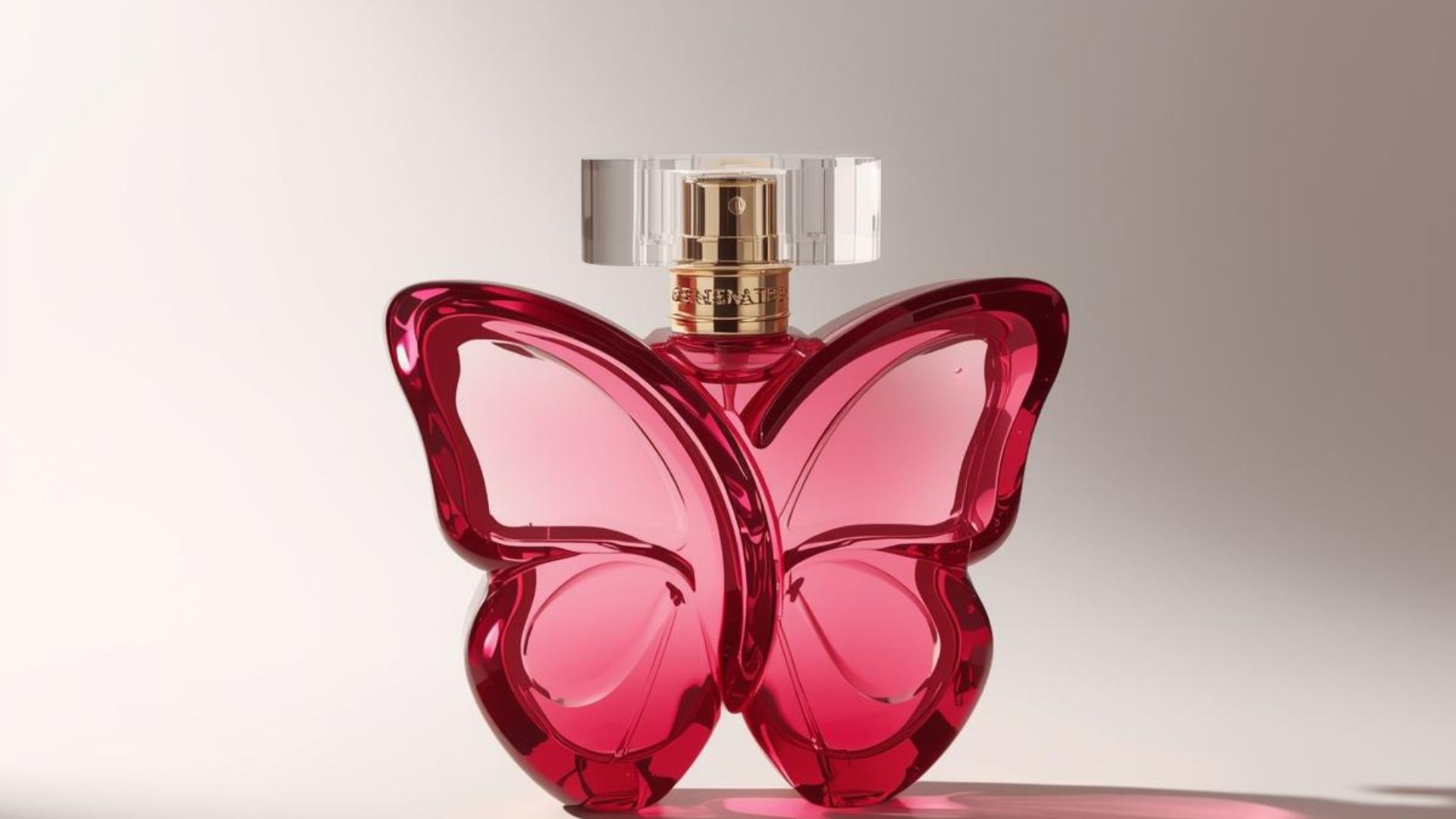
This is a post which promises to be lots of fun.
Let’s learn to differentiate between Chinese, Japanese, Korean scripts using fragrance as a metaphor
Majestic/ Dense Chinese
你跟我一起去吗? Are you coming with me?
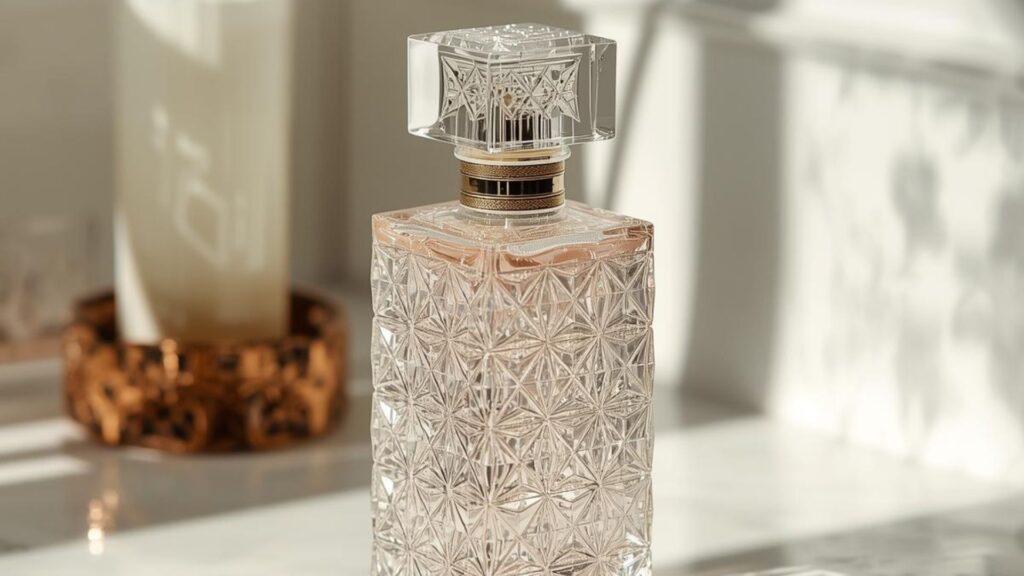
Lively/ Dynamic Japanese
気をつけてください (ki o tsukete kudasai): Take care of yourself
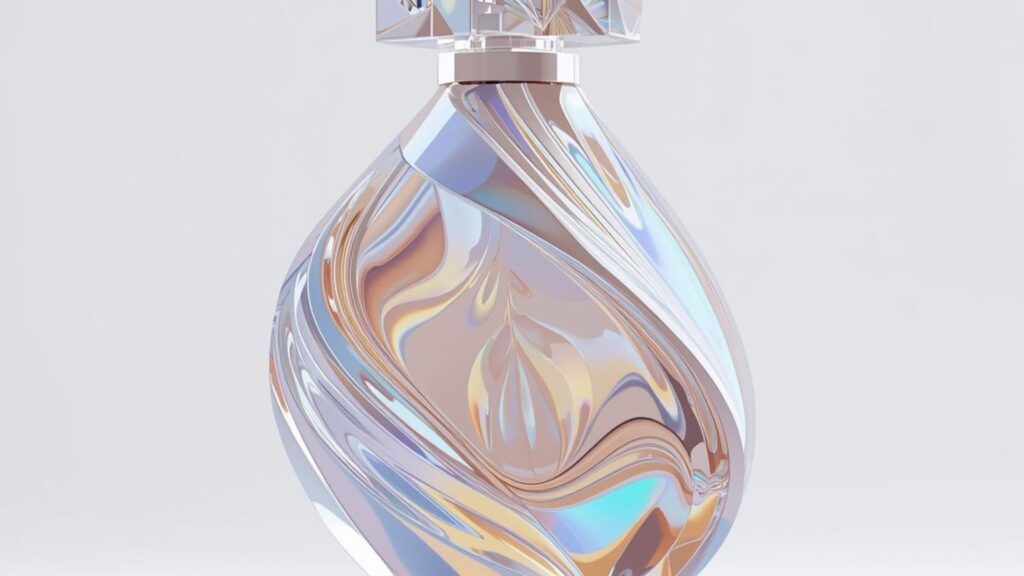
Bubbly, clean Korean
저는 7년 동안 한국에서 살았어요 = I lived in Korea for seven years
A first easy way to recognize the 3 scripts is that:)
Chinese:
Is rich, opulent , dense and layered , It could be compared to intricate mandalas ( feels important and full)
It is packed with detail , there is very little empty space inside characters , can feel heavy on the page! It is intelligent , challenging!
Japanese :
It is lively and mixed ( feels dynamic)
It is a beautiful mix of weight and lightness . You get bursts of dense solid Kanji ( like Chinese but lighter) suddely interrupted by curvy , flowing almost liquid Hiragana ( soft round) and sharp , angular spiky Katakana( like lightning ) . It has contrast , movement playfulness , I love it !
Korean could be compared to mathematical fractals , it is clean and bubbly ( feels fresh and logical)
It is clean, geometric , logical, almost toy like. There are prominent circles and ovals that act like bubbles .The syllables give a grid like Lego- ish impression very orderly and separated. Overall it looks light, modern, transparent . almost like minimalist design with circular motifs, I love this too!
In this sense if we were to play with metaphors
Chinese resembles a heavy incense, Japanese a sparkling citrus floral with shifting facets, while Korean a crisp , airy aquatic note ( light, modular , refreshing )
Personal growth models
When it gets really interesting however, is when you actually view the script design , once more, as a perception lens. Let’s zoom into the Paradigm of personal growth.
As most of you know there is not one size fits all approach, there are different paths to be employed y different people and during different phases of their lives.
Let’s start with Chinese which embodies a philosophy of depth over simplicity
Chinese
Chinese script complexity mirrors a life built through patient layering , integrating life experiences, skills and knowledge into a cohesive whole. This self is slow burning in its nature, immersive and transformative.
As far as rituals employed , instead of surface level practices like quick daily affirmations, such a model encourages us to invest in deep practices like journaling that weaves past reflections into present insight , or tackling a complex project .
Japanese
If Chinese script is the master builder in depth and complexity , Japanese is about lively playfulness, dynamic balance, fluidity and shifting facets
for adaptability.
It would be a mistake to dismiss it as superficial though as it fosters depth building in its own way. It employs 3 interwoven systems
Kanji is to be used for fostering depth and meaning, Hiragana for promoting flow , while Katakana for striking with determination. If Hiragana encourages as to curve around obstacles resembling the diagonal Vav in Aleph, Katakana is about being fierce when necessary
For those shifting towards Japanese script mindset, personal growth is about playing between depth and lightness
Inter alia, it encourages you to integrate your core values ( like hard earned wisdom and family heritage), going with the flow in everyday living and making decisive changes ( like career pivots or boundary setting) Such an approach deters us from having a burn out while keeping life vibrant .
For Japanese script lovers you can shift between the deep thinker in one context, the playful explorer in another and the bold innovator when required.
Korean
For playfulness lovers there is another approach which seems to be counter -play? only on the surface.
Hanguli syllables are like Lego bricks. As a growth model it encourages to break life into manageable logic modules.
It is about defining the core consonants ( which are no other than foundational values, skills and habits) as well as vowels ( emotional flow daily practices) which fit together predictably.
As far as rituals are involved you could create modular routines like a morning block for mindfulness, a work block for focused output and an evening block for reflection
Every thing seems to be connecting transparently while the model thrives on fresh youthful energy. The latter stems from the fact that the geometric openness of the script lets light pass through creating a sense of modernity. It has bubble quality like an aquatic note in a perfume, while the circles add a playful element. They give it a whimsical almost child like charm amid precision .
In this sense it encourages experimentation, yet within safe boundaries.
Accord
Though each model appeals to different people more based on their personality, it is the case that people who engage in playful integration of all models , tend to be those who thrive. Indeed they can all be used by the same person during different phases of his/ her life:
Chinese can be used during periods requiring deep introspection as well as when building lasting identity ( career foundations, healing deep wounds, cultivating wisdom through patience
Japanese on the other hand is more effective during periods of transition, in relationships , when life requires creativity
Korean is to be used during efficiency drive phases, or when you need clarity and energy, as well when you need mental decluttering
Blending them avoids extremes
As the diagonal Vav of Aleph would imply
too much Chinese would feel heavy and stagnant
too much Japanese risks scattered playfulness
while too much Korean seems mechanical and superficial.
But together?
I encourage you to think about it.!